Labrador Grooming: Shedding, Bathing and Comfortable Feet
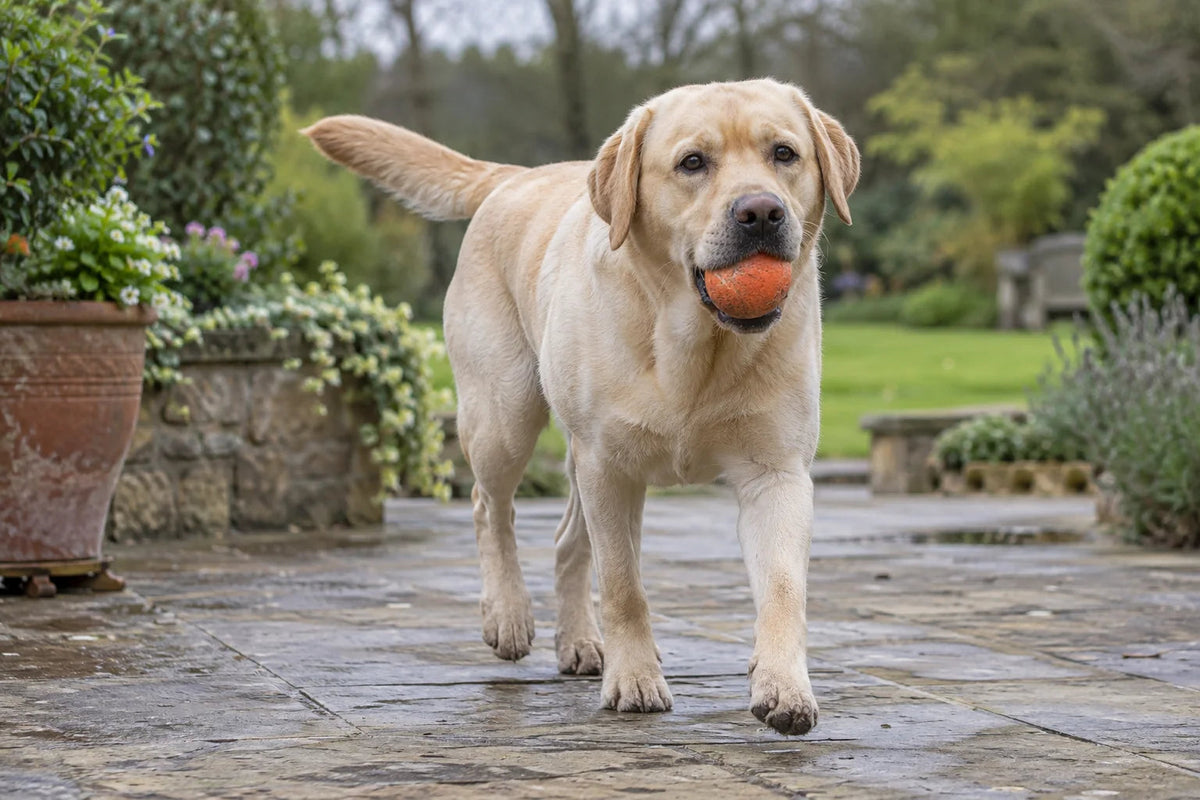
A Labrador can leave a surprising amount of hair behind for a dog with such a short coat. The answer is a better loose-hair routine, not a shorter haircut. A clean, comfortable Labrador should still look like a Labrador: close-coated, with the natural shape of the tail and body intact.
Keep the coat; remove the loose hair. Routine Labrador grooming means brushing, sensible washing, thorough drying and regular nail checks. Body clipping is not a shedding solution.
Why a short coat still needs attention
The AKC Labrador profile describes a thick, water-resistant double coat. The outer hair can look smooth while loose undercoat remains underneath. Seasonal shedding may make this particularly noticeable, although some hair around the home is normal throughout the year.
Run your hand over the shoulders, sides and hindquarters before reaching for a brush. Notice where the hair feels dense and where the skin is easy to reach. The belly and inner legs need a lighter touch than the heavily coated body.
Do not judge a grooming session by the size of the pile on the floor. A useful session removes freely releasing hair without scraping the skin or repeatedly working the same patch.
Make brushing a small, repeatable job
Start with a few short sessions each week and adjust to the amount of loose hair. During a heavy shed, shorter and more frequent sessions are usually more practical than an occasional long battle. The AKC's Labrador grooming guide, drawing on breed-club and professional grooming experience, supports more frequent attention during shedding and preserving the natural coat.
- Settle the dog on a secure, non-slip floor with room to turn.
- Use a suitable coat brush or grooming mitt gently in the direction of hair growth.
- Work methodically along one side, then the other, rather than repeatedly brushing the easiest spot.
- Use light pressure around elbows, the belly and the front of the legs.
- Remove collected hair from the tool frequently so you can see whether it is still working freely.
- Stop if the skin becomes pink, the dog objects or the tool drags.
Ask a groomer to demonstrate any undercoat tool before using it. Teeth or cutting edges can be too harsh when pressed into the coat. Do not try to empty the dog of every soft hair: attached coat should remain.
Separate muddy feet from a whole-dog bath
After an ordinary muddy walk, cleaning the feet and lower legs may be enough. Rinse away dirt, check between the toes and towel dry. After swimming, inspect the coat and dry the dog rather than letting a damp collar sit against the neck for hours.
If the dog is dirty throughout, prepare a proper bath. Brush out loose debris first, put a non-slip mat in the bath and have towels within reach. A wet Labrador is strong and slippery; avoid a setup that requires lifting them over a high edge without help.
Use a dog shampoo according to its label. Work water through the coat before applying it, keep the spray away from the face and ear openings, and rinse carefully underneath as well as over the back. Do not add extra shampoo simply because the first application makes little foam.
Bathing frequency should reflect dirt, activity and the individual dog. Blue Cross's bathing guidance explains why a dog's coat and lifestyle matter more than a universal timetable.
Check beneath the surface before calling the dog dry
Press water out with absorbent towels rather than scrubbing vigorously. If you use a dog dryer, introduce the sound gradually, use a comfortable low-heat setting and keep airflow moving away from the face and ears. Never leave the dog unattended with a dryer.
Part the hair at the neck, chest and hindquarters. A dry-looking top layer can hide dampness beneath it. Dry collars and bedding as well, then check the coat again once the dog has settled.
Do not finish a bath by shaving the body or the thick tail. These are natural parts of the Labrador's coat, not untidy furnishings that need sculpting.
Give nails their own appointment
Walking on hard ground does not guarantee that every nail wears evenly. Check each foot regularly, including any dewclaws. Look at the dog's normal standing position and ask a groomer to show you an appropriate nail length for those particular feet.
The VUNRO large nail clipper can suit larger nails when used with a demonstrated technique. The VUNRO nail grinder offers gradual smoothing for dogs comfortable with its sound and vibration. Introduce either tool slowly and remove only small amounts, staying clear of the sensitive quick.
Do not insist on doing all four feet in one sitting. If you cannot judge the safe amount to remove, have a professional do the work and show you how to maintain it.
Know when more brushing will not solve it
Dense felted coat, painful handling, damaged skin or a sudden unusual change deserve assessment rather than harder grooming. A groomer can help with a difficult shed; soreness or persistent irritation needs veterinary advice.
For an otherwise comfortable Labrador, a useful finish is simple: the coat is clean and dry, loose hair comes away without force, feet are checked and the dog is still relaxed. That is a better goal than a dramatically altered outline.
Keep learning
More from the Blade Blog

Whippet Grooming: Gentle Coat Care and Comfortable Nails
Read the guide →
Chihuahua Grooming: Smooth Coats, Long Coats and Tiny Paws
Read the guide →